

X
This site uses cookies. By continuing to use this site you agree to our use of cookies. To find out more, see our Privacy Policy and Cookie Policy.

Whether you’re a business owner, school, or organisation, flags and flagpoles are a great way to enhance the look of your premises. Below are some of the most frequently asked questions we hear about flags and flagpoles in the UK.
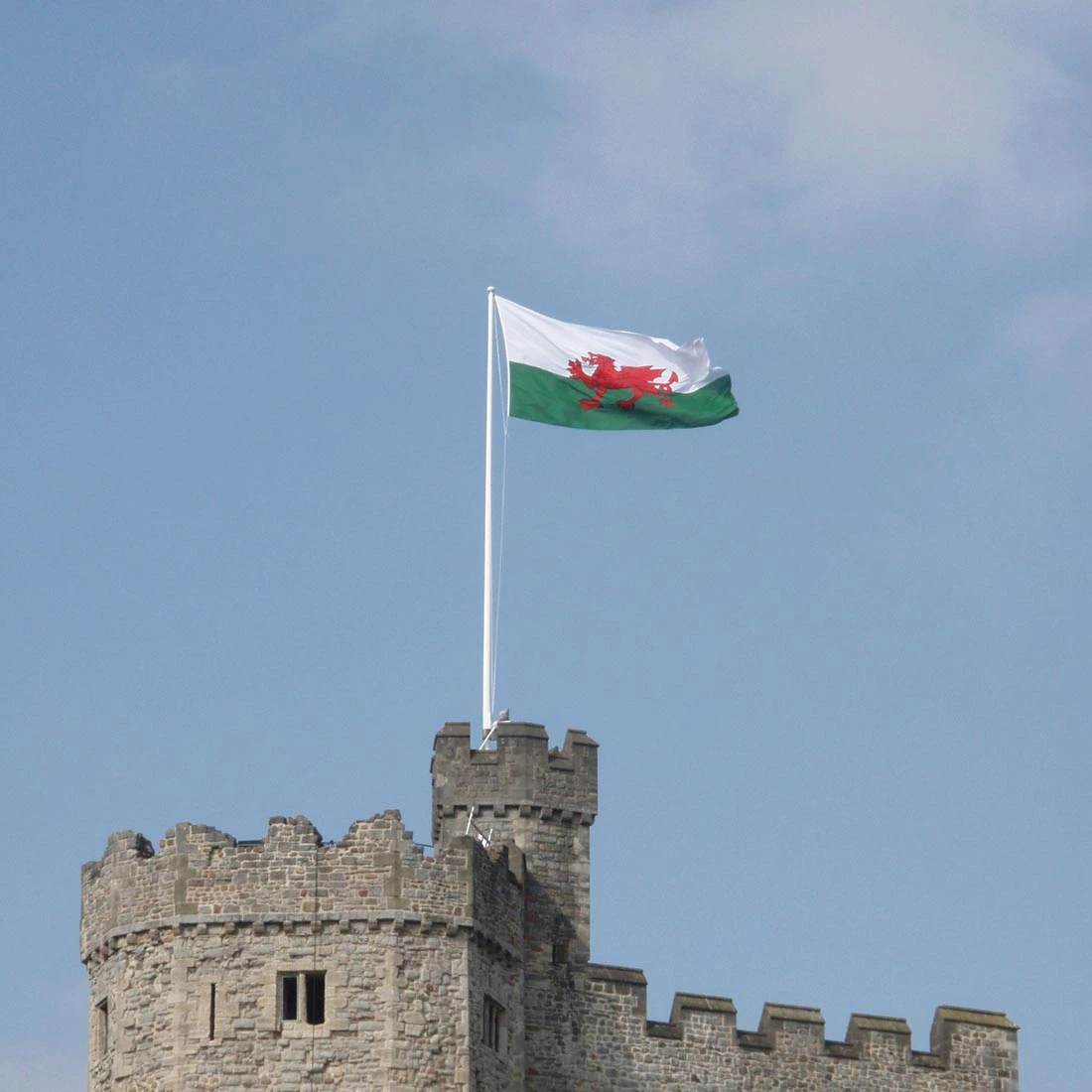
In many cases, planning permission is not required, particularly for temporary flagpoles or where the flag being flown falls within permitted development. However, permission may be needed depending on:
It’s always best to check with your local authority if you’re unsure.
The UK allows certain flags to be flown without consent, including:
Other flags, such as company or promotional flags, may require permission depending on the site.
There’s no one-size-fits-all answer. Flagpole height depends on:
For commercial premises, flagpoles are typically chosen to be clearly visible without overpowering the building.
Each type requires different fixings and systems.
Flag lifespan depends on:
In the UK climate, regularly flown external flags may need replacing periodically to keep them looking professional.
To fly a flag at half-mast, it should first be raised to the top of the pole, then lowered to the correct position. The exact position varies depending on pole height. This is typically done during national mourning or remembrance periods.
Yes. Wall-mounted flagpoles are a popular option where space is limited. They’re commonly used on building façades and entrances and can be just as visually effective as ground-set poles when professionally installed.
Yes, some basic maintenance is recommended, including:
Regular checks help ensure safe operation and extend the life of the flagpole.
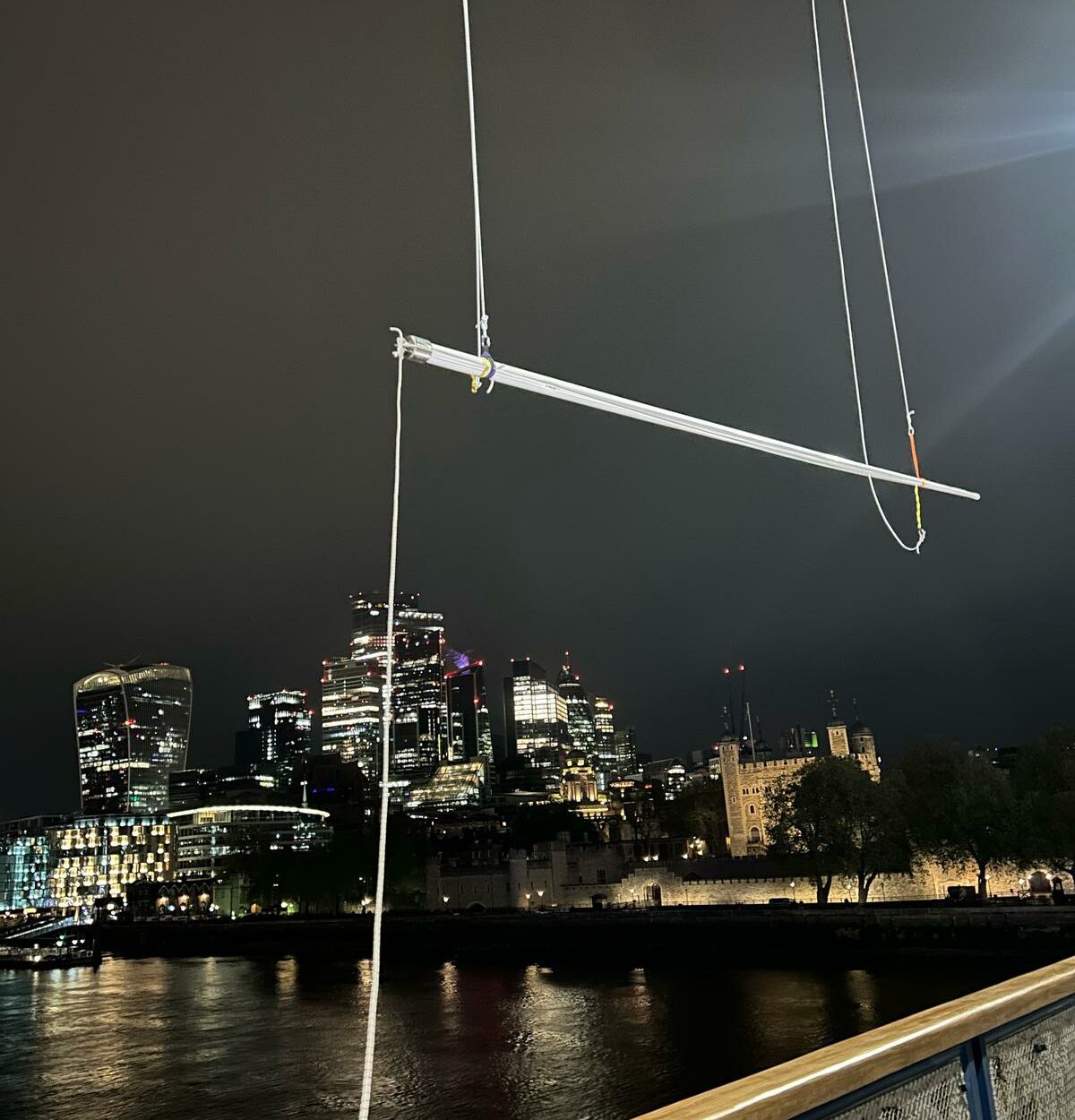
Professional installation ensures:
This is especially important for commercial and public sites.
If you’re unsure about flags, flagpoles, or installation requirements, professional advice can help ensure everything is done correctly and in line with UK guidance.